


Jyoti Saroop
Founder & Director, Unati Cooperative.
India’s cooperative movement has long served as a foundational pillar of rural development. From strengthening farmer collectives to enabling community-based enterprise, cooperatives have demonstrated how economic participation can be organised through trust, shared ownership, and local accountability.
As India advances towards its development aspirations, including the vision of Viksit Bharat 2047, strengthening women’s participation within cooperative value chains is emerging as a critical priority. Women already play an integral role in household food systems, local markets, and community networks. The challenge is to translate this social participation into a structured economic opportunity.
The Unati Behan initiative aims to place women at the centre of a cooperative-driven local commerce ecosystem that links farmers, institutions, and consumers.
Reimagining Local Agricultural Value Chains
One of the persistent challenges within India’s agricultural economy lies in the gap between production and market realisation. Farmers often sell raw produce at limited margins, while value accumulates further along complex supply chains involving multiple intermediaries.
The Unati Behan model seeks to address this challenge by creating shorter, community-anchored value chains supported by cooperative institutions.
Within this framework, women act as connectors between producers and consumers by facilitating local distribution, aggregating demand, and strengthening the flow of products from cooperative processing units to households.
The model integrates multiple stakeholders across the cooperative ecosystem:
Farmers and producer organisations
Primary Agricultural Credit Societies
Cooperative processing facilities
Community-level distribution networks
Household consumers
By strengthening these linkages, the initiative aims to enable greater retention of value within rural economies and to improve market access for farmers.
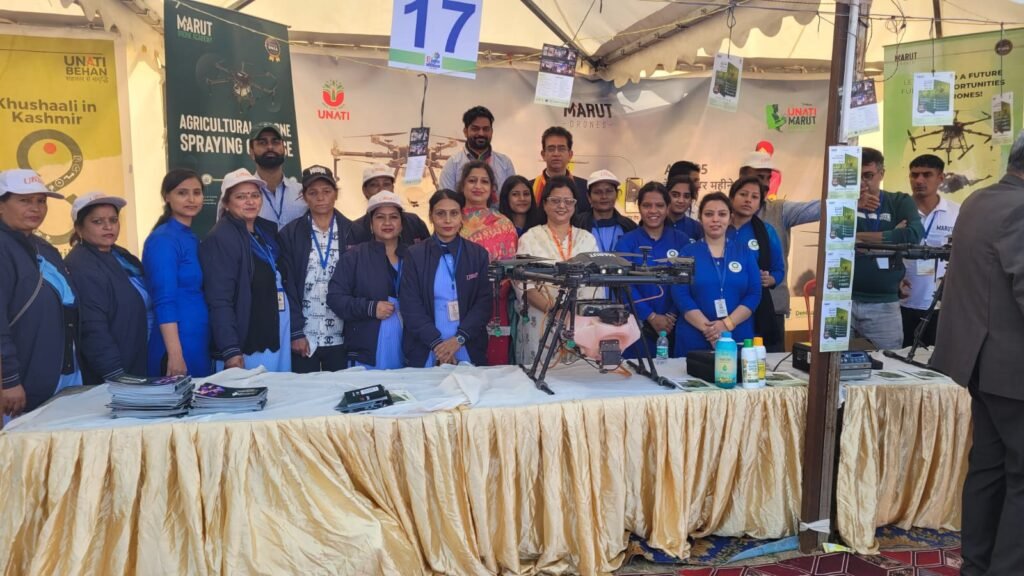
Women at the Centre of Community Commerce
Women have traditionally played a central role in managing household consumption patterns, food systems, and local social networks. The Unati Behan model builds upon this reality by positioning women as community-level economic facilitators within the cooperative framework.
Women participating in the initiative support activities such as:
Collecting advance demand from households
Facilitating the distribution of cooperative products
Encouraging consumption of locally processed goods
Promoting awareness around nutrition and healthy food systems
Through this approach, the initiative seeks to create sustainable income opportunities while strengthening trust-based local market networks.
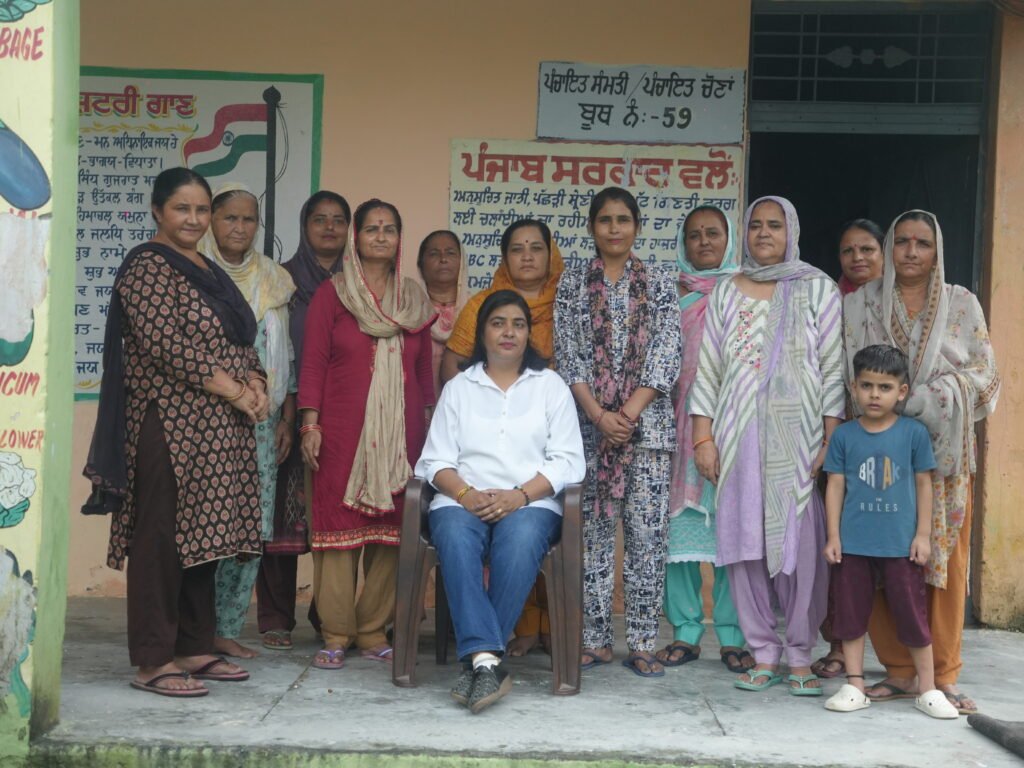
Integrating Digital Tools with Grassroots Networks
The initiative also incorporates digital systems to improve operational efficiency and transparency. These include digital communication channels, inventory management tools, transparent commission structures, and digital payment mechanisms.
Such systems allow women participants to manage transactions efficiently while remaining embedded within their communities. In this sense, the model represents a blended approach where digital tools complement community relationships rather than replace them.
Enabling Demand-Driven Agricultural Systems
An important feature of the initiative is the collection of advance demand signals from households, which can help inform production planning. By transmitting this information back to farmers and cooperative institutions ahead of cropping cycles, the model can contribute to more responsive supply chains.
Over time, this approach may help reduce post-harvest losses, strengthen farmer-market linkages, and improve predictability in local food systems.
Convergence with India’s Cooperative Policy Priorities
India’s evolving cooperative policy landscape places strong emphasis on:
Expanding women’s participation in economic institutions
Strengthening Primary Agricultural Credit Societies
Encouraging local value addition and processing
Promoting digital adoption within cooperative systems
The Unati Behan initiative aligns with these priorities by encouraging collaboration between Self Help Groups (SHGs), farmer organisations, and cooperative institutions, thereby strengthening the broader cooperative ecosystem.
Early Implementation and the Path Ahead
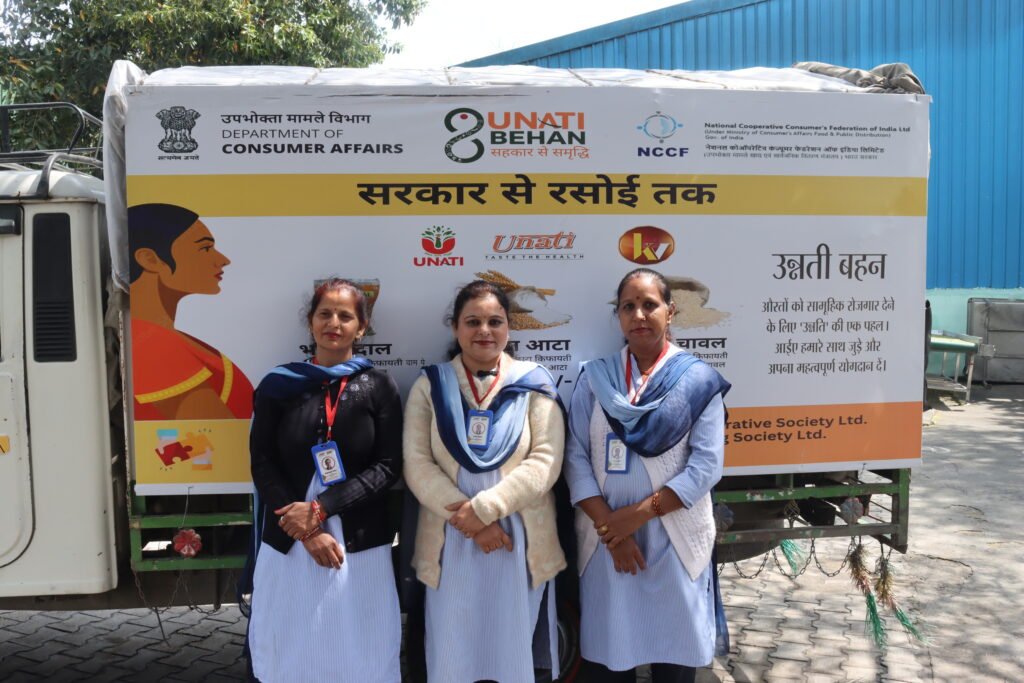
The initiative has already been piloted in select locations. Currently, 216 Unati Behans are active in Talwara, where the pilot phase is underway. In addition, the Unati Behan Cooperative Jan Sanjeevani in Madanpura, Gurugram has mobilised around 2,700 women members.
With the model now validated through pilot initiatives, the next phase focuses on expansion. The initiative aims to reach one lakh women participants by 2026, strengthening cooperative linkages and community-based value chains across regions.
Building Inclusive Cooperative Economies
India’s cooperative ecosystem, combined with the country’s vast network of SHGs and women-led community organisations, provides a strong foundation for inclusive economic participation.
Models such as Unati Behan highlight how women-led enterprises, supported by cooperative institutions and digital platforms, can help strengthen rural economies while promoting equitable growth.
As India continues to deepen its cooperative architecture, empowering women within these systems will remain central to building resilient and community-anchored economic networks that support both farmers and consumers.





One Response
Great personality done great work