Green Financing through Cooperative Credit and Banking Institutions
The United Nations launched the Millennium Development Goals (MDGs) in 2000 with the mission of eradicating extreme poverty, hunger, disease, and inequality by the year 2015.

The United Nations launched the Millennium Development Goals (MDGs) in 2000 with the mission of eradicating extreme poverty, hunger, disease, and inequality by the year 2015.

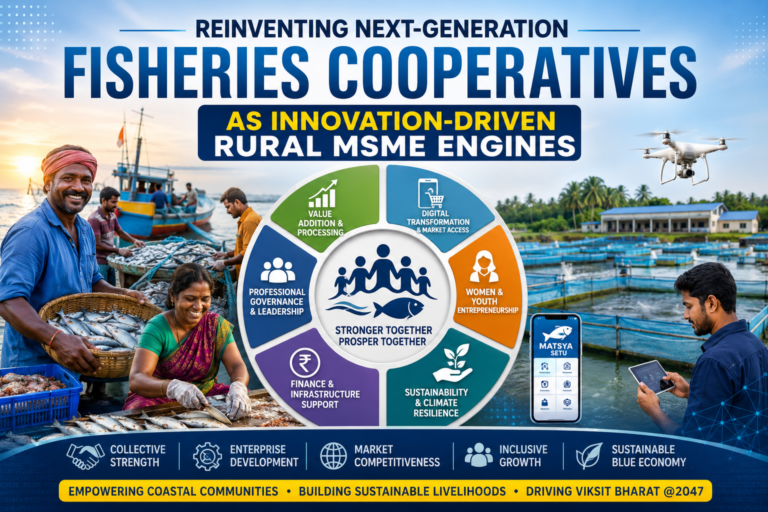
India’s fisheries and aquaculture sector is emerging as a rapidly growing sector in terms of production, value addition, exports and livelihood support. It accounts for 7.43% of agricultural gross value added and contributes 1.1% to the national gross domestic product.

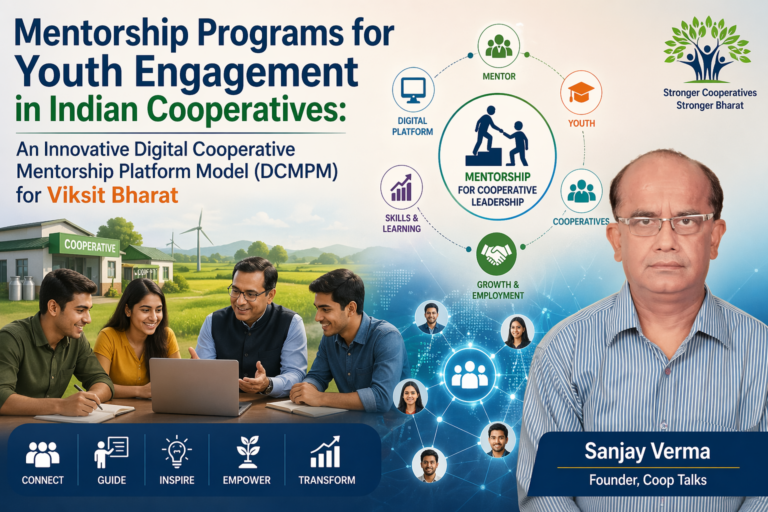
Engaging youth in cooperatives in an innovative manner is the biggest challenge before the cooperative movement today. At various forums, it has been effectively argued that today’s youth need well-conceptualized mentorship programs to foster their engagement with the cooperative sector.

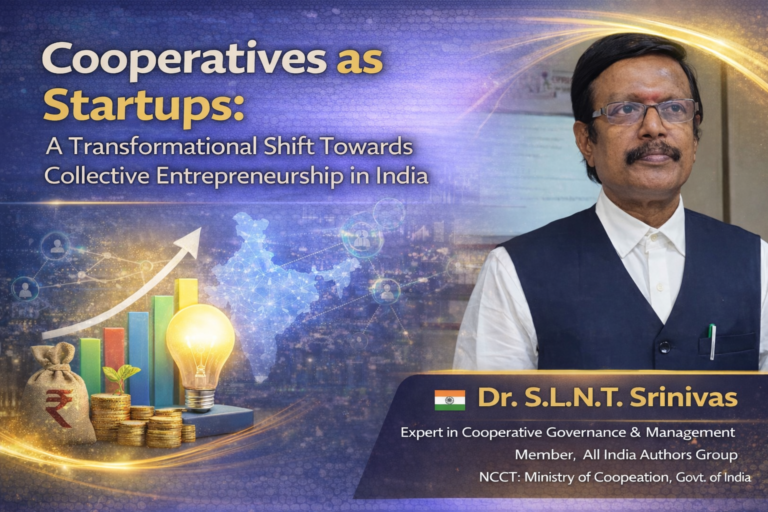
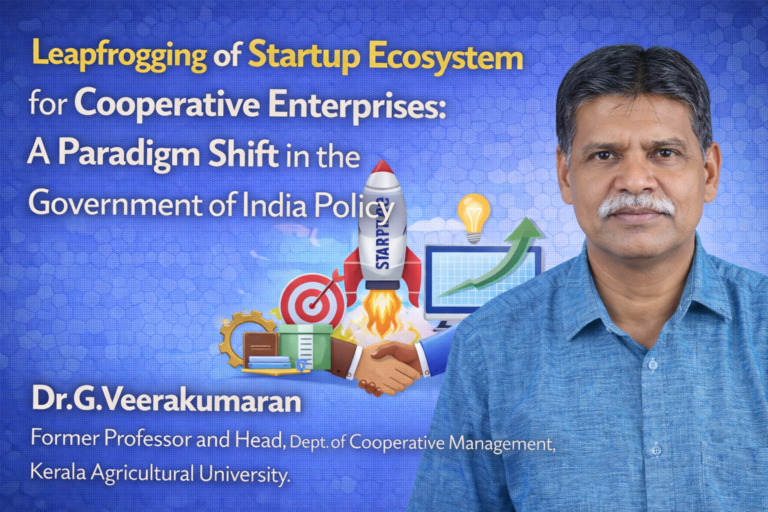
The recent decision of the Government of India to recognise cooperatives as startups under the revised Startup India framework marks a historic and transformative policy shift.

Human civilisations has emerged due to surplus food production, and as a result, trade started flourishing in the world. Both demand and supply-driven trade was carried out, cutting across the borders. International trade was carried out by the enterprising and skilled youth who are involved in import and export rare goods.

Human civilisations has emerged due to surplus food production, and as a result, trade started flourishing in the world.

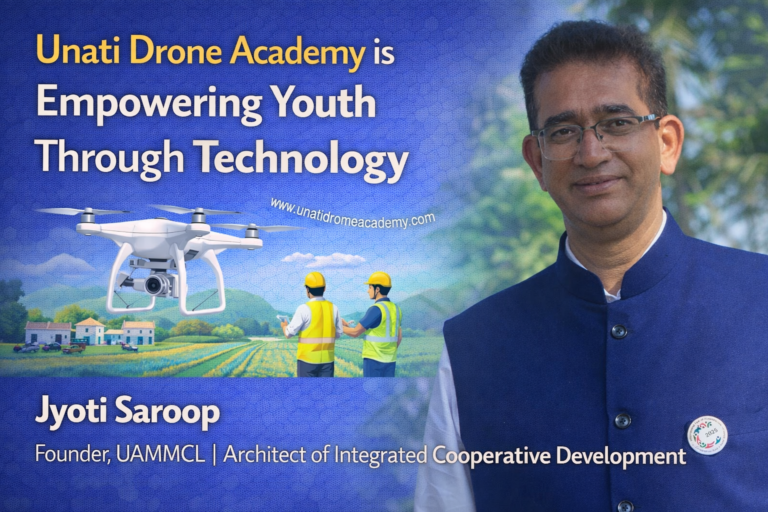
The Unati Drone Academy is a pioneering initiative under the vision of The Unati Agri Allied and Marketing Multistate Co-operative Society Limited (UAMMCL) which aims to build a technology-enabled, cooperative-driven sustainable rural economy. The Unati Drone Academy, which proudly stands as India’s first DGCA-affiliated Remote Pilot Training Organization (RPTO), aims to, empower youth to become skilled, certified, and future-ready professionals in India’s rapidly growing drone-ecosystem. The details of this Academy can be known from www.unatidroneacademy.com

The Union Budget for 2026–27 has been presented against the backdrop of heightened global uncertainties affecting trade and multilateralism, while also opening avenues through bilateral engagements. In this context, the Budget focuses on building resilience to volatile global dynamics. It aims to strengthen the ecosystem to accelerate and sustain economic growth, enabling the country to withstand challenges and seize emerging opportunities.

Prior to the presentation of the Union Budget, the Finance Minister tabled the Economic Survey 2025–26 in Parliament on 29 January 2026. Despite global geopolitical tensions, trade disruptions, and inflationary pressures, India’s First Advance Estimates project real GDP growth at 7.4% and GVA growth at 7.3% for FY 2026.

The Budget envisages promoting entrepreneurship, value addition, and collective resource management. It also empowers cooperatives to professionalize operations, expand markets, and increase farmer incomes. A framework has been suggested for resilient, integrated cooperative networks rather than fragmented entities.

The United Nations launched the Millennium Development Goals (MDGs) in 2000 with the mission of eradicating extreme poverty, hunger, disease, and inequality by the year 2015.