
Sahkar Sarathi : A Chariot for Future Ready Rural Financial Cooperatives.
The Rural Financial Cooperatives had lagged behind in computerisation of their operational processes and procedural systems.

The Rural Financial Cooperatives had lagged behind in computerisation of their operational processes and procedural systems.
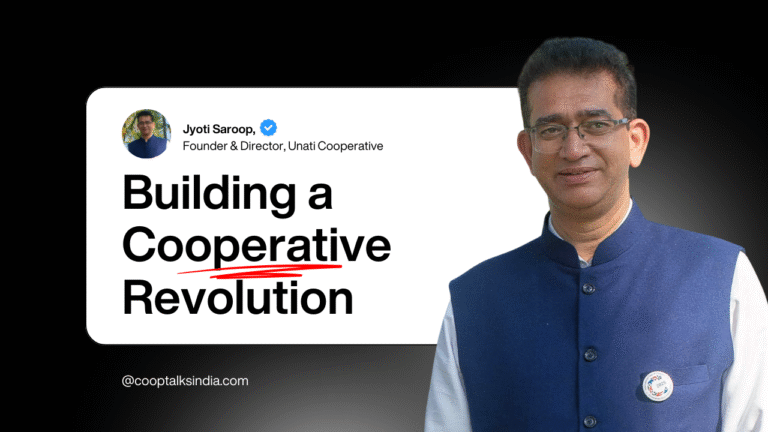
Unati is a success story in cooperatives. Jyoti Saroop, Founder & Director, Unati Cooperative, in a candid conversation with Sanjay Verma, Editor, Coop Talks, shares his experiences and valuable insights based on his long journey. He says that for youth seeking a career, cooperatives offer a unique opportunity to blend entrepreneurship, innovation, and social purpose.

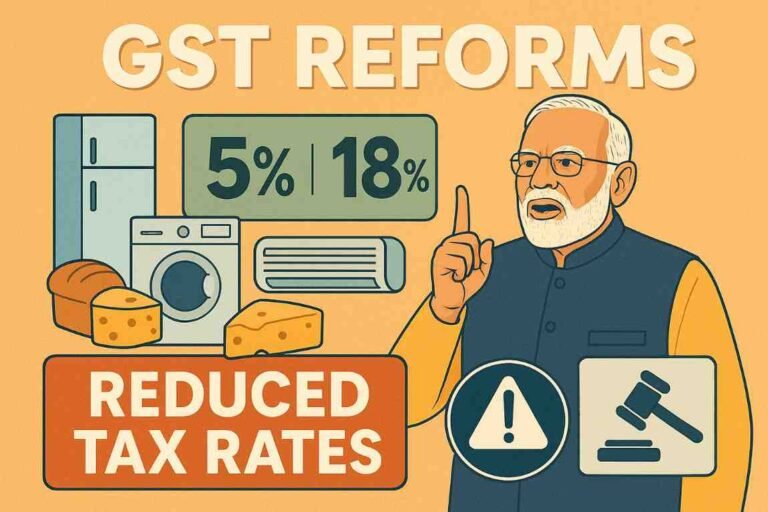
The year 2025 marks a new phase in India’s economic and tax reforms, with the Government introducing significant changes to the Goods and Services Tax (GST) framework. While the reforms are expected to streamline compliance, boost transparency, and expand the tax base, their implications for the cooperative sector remain a subject of deep discussion. Cooperatives, being unique member-driven institutions that straddle both social and business objectives, are positioned at a critical juncture. The question that arises is—to what extent will the new GST reforms impact cooperatives?

The fundamental nature of homo sapiens is migration for food and safety. Human civilisations have evolved by identifying the right place to live. Domestication of wild animals and human mobility goes together.

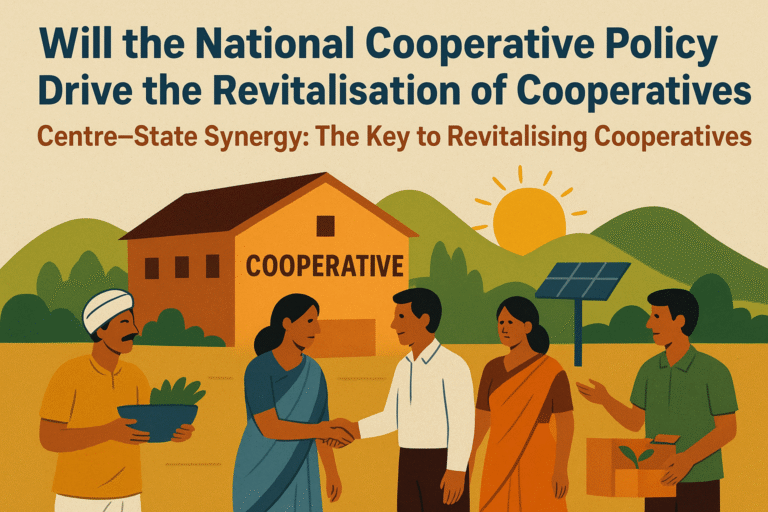
Cooperatives have historically been the backbone of India’s rural economy, empowering farmers, artisans, workers, women, and weaker sections through collective strength. However, in recent decades, the sector has faced challenges of inefficiency, weak governance, resource constraints, and limited market integration. Against this backdrop, the Ministry of Cooperation (MoC), Government of India, has taken bold steps to rejuvenate the cooperative movement by formulating the National Cooperative Policy (NCP)—a landmark initiative aimed at redefining the role of cooperatives in a rapidly transforming economy.

India’s transportation ecosystem is undergoing a rapid transformation with the rise of app-based mobility services and digital integration of fleets.

The Ministry of Cooperation’s plan to launch a cooperative taxi service, tentatively named “Bharat,” is a significant step towards empowering drivers and providing a more equitable alternative to private ride-hailing giants like Ola and Uber. This model aims to redirect profits back to the drivers, who are also members and owners of the cooperative, rather than to large corporations. While the cooperative model holds immense promise, its success hinges on its ability to navigate several complex issues and challenges, particularly in the highly competitive and technology-driven ride-hailing market.
The Government has announced new National Cooperative Policy recently.
On 24th July 2025, the Union Home Minister and Minister for Cooperation, Shri Amit Shah, unveiled the long-standing National Cooperation Policy – 2025 in New Delhi, twenty three years after previous National Policy on Cooperatives 2002, was launched. Both the Prime Minister and the Minister for Cooperation have reiterated that cooperation is part of Indian heritage and culture.

In a world plagued by conflicts, from armed wars to economic rivalries, the teachings and life of Lord Ram offer a timeless model of cooperative living, unity, and moral leadership. This article explores how Ram’s values align with the principles of cooperation and why embracing these ideals is crucial for global peace, equality, and sustainable progress in today’s fragmented world.

The United Nations launched the Millennium Development Goals (MDGs) in 2000 with the mission of eradicating extreme poverty, hunger, disease, and inequality by the year 2015.