

Shivaji Argade
Senior Scientist, ICAR-Central Institute of Fisheries Education, Mumbai – 400061

Akshata Thavai
Research Scholars, ICAR-Central Institute of Fisheries Education, Mumbai – 400061

Vadra Jagdev
Research Scholars, ICAR-Central Institute of Fisheries Education, Mumbai – 400061
1. Context
India’s fisheries and aquaculture sector is emerging as a rapidly growing sector in terms of production, value addition, exports and livelihood support. It accounts for 7.43% of agricultural gross value added and contributes 1.1% to the national gross domestic product. Fish production has increased by 106% to 197.75 lakh tonnes in 2024-25 from 95.79 lakh tonnes in 2013-14. The sector supports the livelihoods of over 3 crore people including small-scale fishers, women, youth, and coastal and rural communities. Fisheries cooperatives play a vital role in organizing small-scale fisher’s/fish farmers, enabling collective action, and promoting sustainable livelihoods. As India advances towards becoming a developed economy and realizing the vision of Viksit Bharat @2047, the cooperative sector will continue to remain a vital pillar of the country’s agrarian and rural economy. Over the decades, cooperatives have played a transformative role in sectors such as fertilizers (60% production and distribution), sugar (31% production), agricultural credit (20% supply), and dairy (>10% milk production). Similarly, fisheries cooperatives possess immense untapped potential to emerge as key drivers of the blue economy through collective marketing, input supply, fish production, value addition, processing, cold chain development, export promotion, women and youth entrepreneurship and livelihood enhancement of small-scale fishers and fish farmers. However, unlike dairy cooperatives, fisheries cooperatives have yet to realize their full economic and institutional potential due to weak governance, limited business orientation and inadequate infrastructure. Transforming fisheries cooperatives into professionally managed, technology-enabled and MSME-oriented next-generation enterprises will be critical for strengthening rural economies, ensuring inclusive growth, enhancing fishers’ income and contributing significantly to India’s sustainable economic development trajectory. The article proposes a conceptual framework for “Next-Generation Fisheries Cooperatives” that integrate entrepreneurship, technology, sustainability, and community ownership to accelerate inclusive rural growth.
2. Conceptual Understanding: Cooperatives and Rural MSMEs
The cooperative movement had historically emerged as a response to market failures, exploitation by intermediaries, unequal access to credit, and exclusion from formal economic systems. Cooperatives represent democratic socio-economic institutions where members collectively own, govern and benefit from economic and welfare activities. In India, cooperatives have been deeply embedded in rural transformation since the early 20th century. The cooperative structure today spans agriculture, dairy, fisheries, banking, sugar, handloom, housing, consumer, etc. sectors. However, primary fisheries cooperatives in both inland and marine sectors across the States face weak governance, limited business orientation and inadequate infrastructure challenges that limit their performance and impact. Traditionally, primary fisheries cooperatives are often remained limited to channelize government subsidies and welfare schemes, with minimal involvement in post-harvest management, marketing and capacity development of members. Fisheries cooperatives possess enormous untapped potential due to India’s expanding blue economy, growing seafood demand, aquaculture diversification and coastal aquapreneurship opportunities. The central argument emerging from recent research and policy discussions is that next-generation cooperatives must evolve from subsidy-dependent societies into innovation-driven business organisations capable of operating competitively in national and global markets. As a result, the conversion of 1000 fisheries cooperatives into fish farmer producer companies is in place in India.
Simultaneously, Micro, Small and Medium Enterprises (MSMEs) have emerged as the backbone of the Indian economy. MSMEs contribute significantly to gross domestic product, exports, manufacturing output and employment generation. However, rural MSMEs continue to face challenges relating to scale, finance, technology, marketing, logistics, and institutional support. The convergence of cooperatives and MSMEs offers a transformative pathway. Cooperatives can function as collective MSME ecosystems by aggregating production, facilitating value addition, enabling market access, mobilizing finance, and reducing transaction costs.
Recent literature increasingly identifies cooperatives as “collective MSMEs” because they combine the strengths of collective action with enterprise development. Cooperatives help aggregate small producers, facilitate shared infrastructure and technology access, improve bargaining power, reduce transaction costs, and promote collective branding and marketing. Through these mechanisms, cooperatives enable small-scale producers and entrepreneurs to participate more effectively in competitive markets while retaining community ownership and democratic control. As institutional platforms, cooperatives can nurture inclusive rural MSME ecosystems by fostering collaboration, economies of scale, social capital, and sustainable local economic development.
3. Cooperatives as Engines of Rural MSMEs
- a) Employment Generation: Global evidence indicates that cooperatives play a significant role in generating employment and self-employment opportunities, particularly in rural and marginalized regions. Cooperatives support MSME development by providing enterprise incubation, skill development, market linkages, financial inclusion, and shared production facilities that enable small entrepreneurs to reduce operational costs and improve productivity.
- b) Local Economic Multipliers: Cooperatives contribute significantly to local economic multipliers by retaining wealth within rural communities. Since cooperative members are primarily local residents, the profits generated through cooperative enterprises are reinvested locally rather than being extracted by external investors. This circulation of income strengthens local markets, increases consumption, encourages entrepreneurship, and enhances community resilience during economic uncertainties.
- c) Reducing Market Failures: Small rural enterprises frequently encounter multiple market-related challenges such as high input costs, weak bargaining power, limited access to institutional credit, information asymmetry, and dependence on exploitative intermediaries. Cooperatives help reduce these market failures by promoting collective procurement of inputs, aggregation of produce, collective marketing, and access to institutional support systems. Through collective action, members can negotiate better prices, reduce transaction costs, and access larger and more competitive markets.
- d) Enabling Value Addition: Modern cooperatives are increasingly moving beyond primary production activities toward higher-value economic functions such as processing, branding, packaging, retailing, exporting, and digital marketing. This transition is particularly important for rural MSME growth because value addition enables producers to capture a greater share of market value and generate higher incomes. By collectively investing in infrastructure, technology, and marketing systems, cooperatives help small producers overcome scale limitations and enter value-added markets more effectively.
4. Global Experiences: Cooperatives as Enterprise Ecosystems
European cooperative models demonstrate how member-owned enterprises can successfully operate at large scales while remaining competitive in global markets. Examples such as dairy cooperatives in Denmark and the Netherlands, agricultural cooperatives in France, worker cooperatives in Spain, and fisheries cooperatives in Japan and Norway highlight the capacity of cooperatives to integrate advanced technology, market intelligence, innovation, export orientation, and professional management practices. These cooperatives have achieved high levels of efficiency and market competitiveness by combining collective ownership with modern business strategies. The literature emphasizes that effective governance structures, transparency, professional leadership, and active member participation are critical factors behind the long-term sustainability and success of these cooperative systems. The Mondragon model demonstrates that cooperatives can grow into globally competitive enterprise networks while maintaining democratic ownership, social responsibility, and equitable wealth distribution among members. Japanese fisheries cooperatives are internationally recognized for their strong role in fisheries governance, collective marketing, and sustainable resource management. By integrating local knowledge, collective decision-making, and market systems, they have helped maintain sustainable fisheries while improving economic security for fishing communities.
5. Why Fisheries Cooperatives Can Become Rural MSME Engines?
- a) Fisheries as High-Value Rural Enterprises: Fisheries possess significant potential as high-value rural MSMEs due to their strong market demand, export orientation, employment intensity, and wide scope for value addition and diversification. The sector generates substantial livelihood opportunities for coastal and inland communities while also encouraging the participation of women in post-harvest and allied activities. Compared to traditional agriculture, fisheries often provide relatively higher economic returns per unit area and faster income generation cycles. With increasing demand for seafood products in domestic and international markets, fisheries enterprises can become important drivers of rural economic growth, entrepreneurship, and livelihood diversification.
- b) Cluster-Based Development Potential: The cluster-based development approach is increasingly recognized in MSME policies as an effective strategy for improving competitiveness, innovation, and local economic development. Fisheries cooperatives can act as institutional anchors for developing integrated fisheries clusters that include fish processing units, ice plants, cold chain networks, feed production facilities, hatchery enterprises, ornamental fish hubs, and seafood retail chains. Such cluster-based ecosystems promote economies of scale, reduce operational costs, improve market access, and stimulate local entrepreneurship. By creating interconnected enterprise networks, fisheries cooperatives can support sustainable rural industrialization and strengthen regional fisheries economies.
- c) Women and Youth Entrepreneurship: The fisheries value chain offers substantial opportunities for women and youth entrepreneurship across various segments of production, processing, marketing, and digital services. Women-led enterprises are increasingly emerging in areas such as fish processing, dry fish production, packaging, retailing, e-commerce, and value-added seafood products, contributing to income generation and economic empowerment. At the same time, youth participation is growing in areas such as digital marketing, aquatech startups, logistics management, traceability systems, and smart aquaculture technologies. Fisheries cooperatives can play a vital role in nurturing these enterprises by providing institutional incubation, skill development, market linkages, financial support, and collective business platforms for young entrepreneurs and women-led MSMEs.
- d) Cooperative Branding and Market Power: One of the major challenges faced by rural MSMEs is limited market visibility and weak brand recognition, which often reduces their competitiveness and profit margins. Cooperative branding offers an effective solution by enabling producers to collectively develop community seafood brands, organic aquaculture labels, sustainable fisheries certifications, GI-tagged fish products, and regional seafood identities. Through collective branding and quality assurance systems, fisheries cooperatives can improve consumer trust, strengthen market positioning, and enhance bargaining power in domestic and export markets. Brand-based value addition significantly increases producer incomes while also promoting sustainable and region-specific fisheries products.
6. Institutional and Policy Reforms for Next-Generation Cooperatives
The transformation of fisheries cooperatives into next-generation rural MSME engines requires comprehensive institutional reforms focused on professionalism, entrepreneurship, and business-oriented governance. Future cooperatives must adopt professional boards, strategic business planning, performance audits, and entrepreneurial leadership to enhance efficiency, accountability, and competitiveness. Cooperative federations should evolve beyond administrative roles and function as marketing consortia, export promotion agencies, training hubs, and shared service providers that support member enterprises. Strong integration of fisheries cooperatives with national initiatives such as MSME cluster schemes, Startup India, Digital India, Skill India, the Blue Economy Mission, the Pradhan Mantri Matsya Sampada Yojana (PMMSY) and Pradhan Mantri- Matsya Kisan Samridhi Sah Yojana (PM-MKSSY) can create enabling ecosystems for enterprise development and innovation. Additionally, dedicated cooperative financing mechanisms are essential to support infrastructure development, value addition, cold chain systems, processing units, digitalization, and renewable energy adoption, thereby strengthening the long-term sustainability and competitiveness of fisheries-based cooperative enterprises. Dedicated fisheries cooperative MSME clusters should be promoted under national fisheries and MSME development programs to strengthen value chains, entrepreneurship, and local employment generation. Under cluster-based development approach, Maharashtra State is designated for developing fisheries cooperative cluster. Specialized Fisheries Cooperative Training Centres are required to build capacities in cooperative governance, entrepreneurship, business management, digital skills, and export readiness among cooperative members and leaders. Government-supported digital cooperative platforms can further improve market access, transparency, traceability, and financial inclusion within fisheries value chains. Youth-led fisheries start-ups should be encouraged and incubated within cooperative ecosystems to promote innovation, aquatech solutions, and rural enterprise development. As climate risks increasingly threaten fisheries livelihoods, next-generation cooperatives can strengthen resilience through disaster preparedness, insurance mechanisms, early warning systems, diversified livelihoods, and climate-smart aquaculture practices.
7. Digital Transformation for Next-Generation Cooperative Ecosystems
In the fisheries sector, digital technologies such as online auctions, e-marketplaces, blockchain-based traceability systems, digital payments, mobile advisory services, AI-based forecasting, National Fisheries Digital Platform, Matsya Setu App (Aqua-Bazaar), CIFE Aqua-Skill Hub (CASH) etc. can significantly improve operational efficiency, market access, value realization, capacity building and skill development of cooperative members. Government initiatives such as the computerization of cooperatives and cooperative database by Ministry of Cooperation indicate the growing emphasis on digital cooperative transformation in India. Technology-enabled governance can further strengthen transparency, accountability, financial management, member participation, and decision-making efficiency within cooperatives, thereby enhancing trust and competitiveness. Additionally, next-generation cooperatives are increasingly integrating startup incubation, cooperative venture funds, innovation hubs, skill accelerators, and fisheries business incubation centres, creating strong synergies between cooperative development and entrepreneurial ecosystems for sustainable rural and blue economy growth.
8. ICAR-CIFE’s Work on Fisheries Cooperatives in India
ICAR-Central Institute of Fisheries Education (ICAR-CIFE), Mumbai, has been actively contributing to the strengthening and modernization of fisheries cooperatives in India through research, policy advocacy, governance assessment, capacity building, and entrepreneurial development initiatives. A comprehensive multi-state study conducted by ICAR-CIFE across Tamil Nadu, Maharashtra, Bihar, Odisha and Assam assessed around 250 primary fisheries cooperative societies, district federations, and state federations using innovative tools such as the Fisheries Cooperative Governance Quality Index (FCGQI) and Ease of Doing Business Index (EoDBI). The study identified significant variations in governance quality, business efficiency, infrastructure leadership, and member participation across States, with Tamil Nadu emerging as a strong model for cooperative governance and institutional integration. The research highlighted key challenges including political interference, weak business orientation, inadequate infrastructure, limited professional management, low digital adoption, poor convergence with technical and financial institutions, poor leadership, passive participation of members, untrained and unskilled stakeholders, scattered and unorganized production systems, absence of uniform organizational structures, etc. These challenges reduce the capacity of fisheries cooperatives to function as competitive rural enterprises and highlight the urgent need for professionalization, leadership development, digital transformation, institutional transformation, capacity building, and entrepreneurial reorientation of the cooperative sector. ICAR-CIFE is promoting the transformation of fisheries cooperatives from traditional welfare-oriented societies into next-generation innovation-driven entrepreneurial institutions capable of driving blue economy growth, rural MSME development, livelihood security and the vision of Viksit Bharat @2047.
9. Emerging Paradigm: Cooperative Entrepreneurship Ecosystems
The transition from “subsidy-driven welfare cooperatives” to “Innovation-driven entrepreneurial cooperatives” is central to reinventing fisheries cooperatives as MSMEs engine (Fig.1).
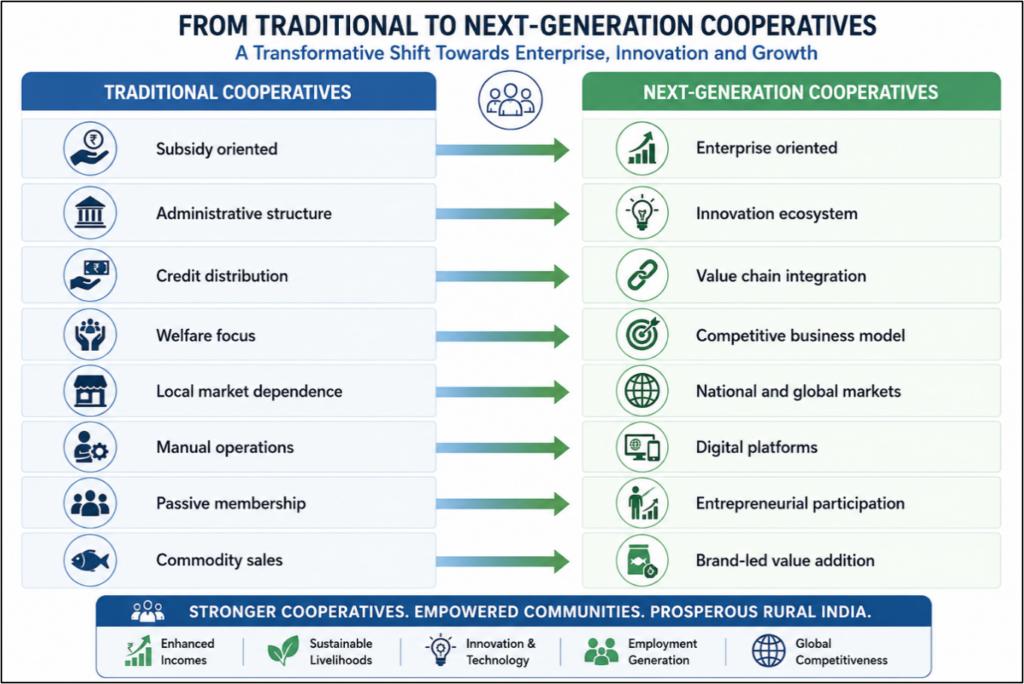
Fig. 1. Source: Authors have created this image using ChatGPT
10. Way Forward- Proposed Framework for Next-Generation Fisheries Cooperatives
The transformation of fisheries cooperatives into next-generation rural MSME engines requires an integrated and multi-dimensional institutional framework. The proposed framework emphasizes the integration of production systems, enterprise development, digital technologies, governance reforms, sustainability principles, and social inclusion to strengthen the fisheries cooperative sector (Fig. 2).
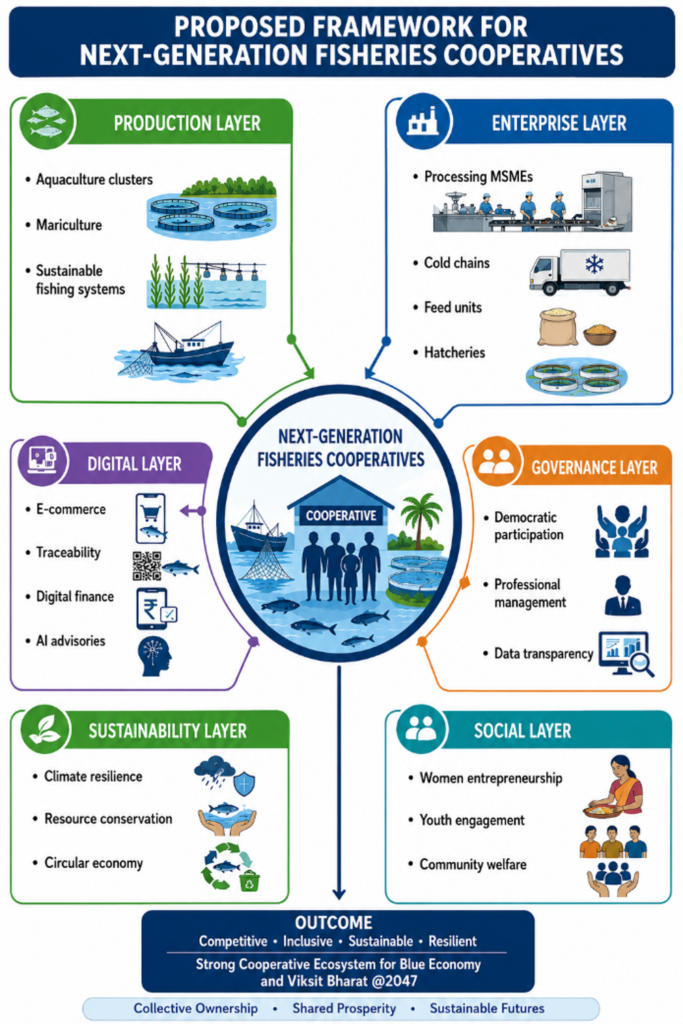
Fig.2 Source: Author has created this image using ChatGPT.
11. Conclusion
Fisheries cooperatives in India stand at a critical juncture where they can evolve from traditional welfare subsidy-driven institutions into innovation-driven rural MSME ecosystems capable of generating sustainable livelihoods, aquapreneurship and inclusive socio-economic growth. By embracing professional governance, digital transformation, climate-smart practices, value-chain integration, branding and youth and women-led enterprises, next-generation fisheries cooperatives can become powerful engine of the blue economy. Such transformation will not only enhance fishers’/fish farmers’ income, employment and market competitiveness but also strengthen decentralized rural industrialization and community resilience. Strategic investments in infrastructure, institutional capacity, financing, policy reforms and technological innovation will be essential to unlock their full potential. With a collaborative approach involving government, research institutions, financial agencies, private sector stakeholders and cooperative members, fisheries cooperatives can emerge as globally competitive, socially inclusive, and environmentally sustainable enterprises. Reinventing fisheries cooperatives as innovation-driven rural MSME engines can significantly contribute toward achieving the vision of Viksit Bharat @2047 through empowered coastal and rural communities, sustainable resource management and equitable blue economic development.
Corresponding Author Email: shivaji@cife.edu.in