
Is Digital Empowerment Indispensable for Cooperatives?
Cooperatives have historically played a transformative role in India’s economic and social development, particularly in agriculture, dairy, credit, housing, fisheries and rural industries. In the era of rapid technological change and expanding expectations of transparency, speed and accountability, the question before policymakers and cooperative leaders is no longer whether digitalisation is useful, but whether cooperatives can survive and grow without it. The answer is clear: digital empowerment is now indispensable.
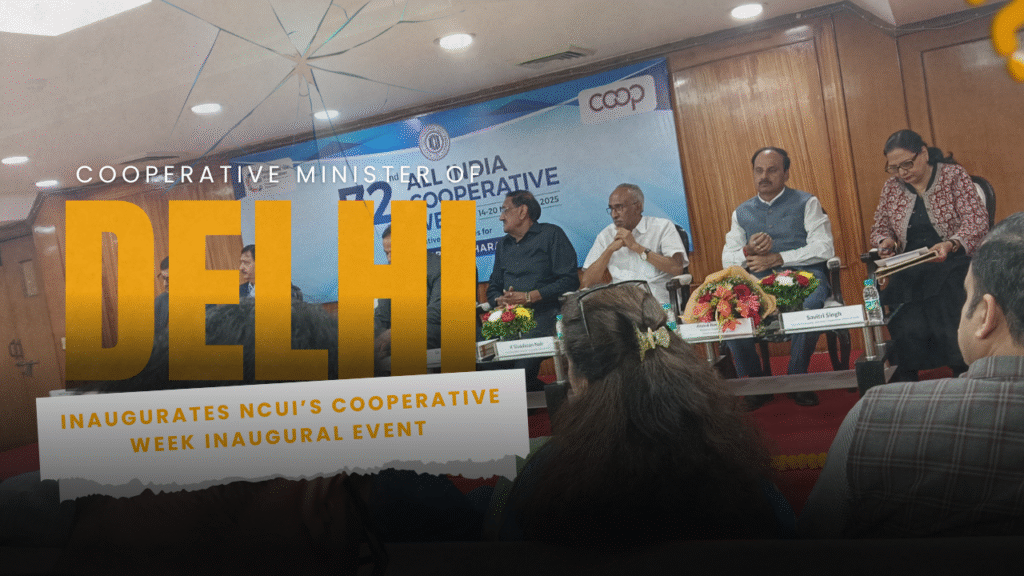
Cooperative Minister of Delhi Inaugurates NCUI’s Cooperative Week Inaugural Event
It is a common knowledge that communication means exchange of ideas, views, information and facts etc between two or among more persons with an aim to develop understanding. The dilemma lies in deciding the best means of communication which can be effective in a given situation. There are many factors which help in selecting the mode and means of communication, the most important factor which governs the methodology is the kind of audience.
Cooperative Developments in Karnataka State
It is a common knowledge that communication means exchange of ideas, views, information and facts etc between two or among more persons with an aim to develop understanding. The dilemma lies in deciding the best means of communication which can be effective in a given situation. There are many factors which help in selecting the mode and means of communication, the most important factor which governs the methodology is the kind of audience.
Story Telling : An Effective Tool for Communication in Cooperatives

It is a common knowledge that communication means exchange of ideas, views, information and facts etc between two or among more persons with an aim to develop understanding. The dilemma lies in deciding the best means of communication which can be effective in a given situation. There are many factors which help in selecting the mode and means of communication, the most important factor which governs the methodology is the kind of audience.
Value-Driven Agricultural Value Chain: The ‘Krushak Swaraj’ Model

Traditionally, farmers have often viewed their neighbors and peers as competitors. However, it is becoming increasingly evident that collective farming can offer solutions to many agricultural challenges. In the Indian agricultural sector, Primary Agricultural Cooperative Societies (PACS) have been deeply established, especially in the credit supply area. Fundamentally, this cooperative model is a form of collective farming, as farmers unite to establish these institutions and operate them democratically.
NCCF : Marching Ahead An Interview with Anice Joseph Chandra, MD, NCCF

The National Cooperative Consumers’ Federation of India (NCCF) is the country’s apex consumer cooperative organization, responsible for procuring and distributing essential commodities to ensure price stability and consumer welfare. Over the years, NCCF has been steadily expanding its commercial operations and reinventing itself as a trusted market player. Anice Joseph Chandra, Managing Director of NCCF, in conversation with Sanjay Verma, Editor of Coop Talks, shares insights into the Federation’s changing role and the road ahead.
Can Cooperative Banks Regain Their Dominance in Agricultural Credit? Ministry of Cooperation,GOI and NABARD Lead the Revival

In India’s rural credit landscape, cooperative banks once stood as the pillars of empowerment—delivering timely and affordable finance to small and marginal farmers. For decades, they symbolized collective trust, local resilience, and democratic ownership in agricultural financing. However, in recent years, this once-dominant cooperative credit system has witnessed a steady erosion in both relevance and reach, prompting urgent calls for revitalization from the Ministry of Cooperation (MoC) and the National Bank for Agriculture and Rural Development (NABARD).
Mandate Overload vs. Mass Movement: An Evaluation of Goa’s Cooperative Sector Role in the ‘Swasth Nari, Sashakt Parivar Abhiyaan’

The Cooperative Deptt in Goa has directed all cooperatives societies, SHGs, federations and affiliated institutions across Goa to play an effective role in implementing the Swasth Nari, Sashakt Parivar Abhiyan, a national health mission aimed at improving the well-being of women and adolescent girls. In this analytical piece, the author argues that the successful realization of this scheme hinges on sophisticated realization of the existing mandate of Goa’s cooperatives.
Strengthening State Cooperative Policies: Key Priorities In Light of the National Cooperative Policy 2025

The National Cooperative Policy 2025 articulates a comprehensive vision for cooperation in India—Sahakar Se Samriddhi—seeking to transform cooperatives into vibrant agents of rural empowerment, inclusivity, and economic resilience.
NCEL: Empowering Cooperatives for Global Agricultural Leadership
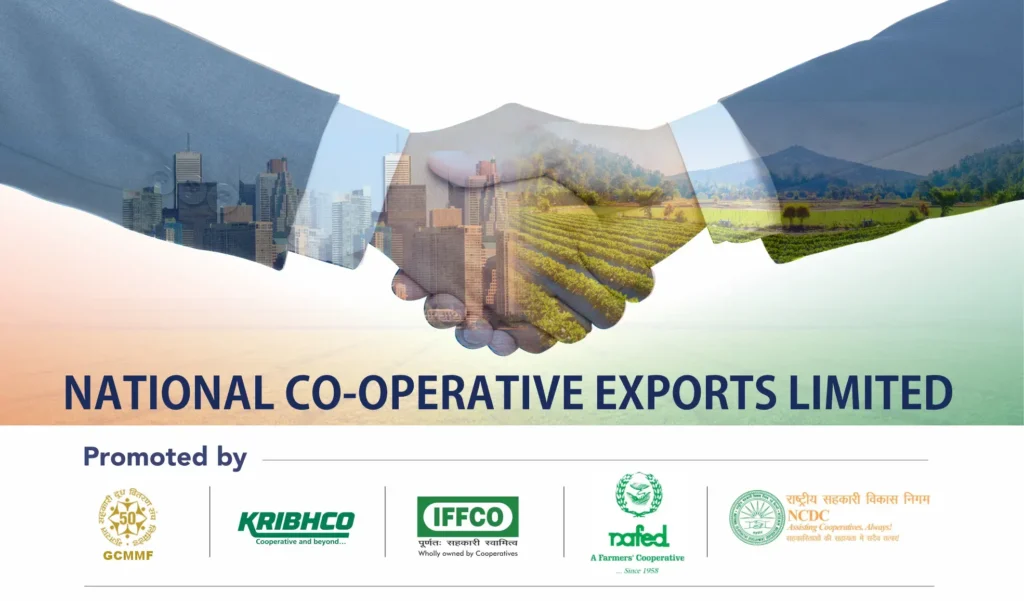
In a short span since its inception, the National Cooperative Exports Limited (NCEL) has emerged as a transformative force in India’s agricultural export landscape. Anchored in the cooperative spirit and driven by the vision of “Sahakar se Samriddhi,” NCEL is enabling farmers, producer organisations, and cooperative institutions to access international markets, enhance incomes, and contribute meaningfully to India’s rural-led economic growth.